

Has the Quality of High-End Luxury Bags Declined?
Over the past few years, a growing number of luxury shoppers have been asking an important question: Has the quality of iconic designer bags declined? Brands like Louis Vuitton and Chanel have built their reputations on craftsmanship, heritage, and exclusivity. Yet as demand has surged worldwide, some customers feel that certain pieces don’t reflect the same level of quality once associated with these fashion houses.
So what’s really happening?
Let’s explore the factors behind this conversation.
1. Supply and Demand: The Luxury Boom
Luxury is no longer niche.
In the past, high-end handbags were produced in smaller quantities for a more exclusive clientele. Today, global demand has exploded. Social media, influencer culture, resale platforms, and rising wealth in emerging markets have dramatically expanded the customer base.
With increased demand comes increased production. When brands scale up output to meet global sales targets, the production process naturally shifts. More volume often means:
-
Larger production teams
-
Faster turnaround times
-
Expanded manufacturing facilities
-
Greater pressure on supply chains
While these brands still maintain quality control, scaling luxury is a delicate balance. The more units produced, the harder it becomes to preserve the intimate, artisan-level craftsmanship that defined earlier decades.
2. The Shift from Artisan to Industrial Luxury
Historically, luxury bags were closely associated with master artisans who dedicated significant time and personal investment into each piece.
Today, while craftsmanship remains central to brand identity, production is more structured and systemized. Workshops are optimized for efficiency. Processes are standardized. Teams specialize in specific construction steps rather than overseeing a bag from start to finish.
This doesn’t necessarily mean quality has collapsed — but it can mean:
-
Less individual artisan ownership over a single bag
-
More segmented production roles
-
Tighter production timelines
For staple pieces produced in high volume, the experience may feel less “personal” compared to limited runs or special-order items.
3. Materials: Are They Changing?
Another common concern is whether materials themselves have declined in quality.
Luxury brands continue to use premium leathers, coated canvases, and custom hardware. However, a few factors may influence perception:
-
Changes in leather sourcing due to sustainability regulations
-
Adjustments in tanning processes to meet environmental standards
-
New treatments designed to improve durability or reduce costs
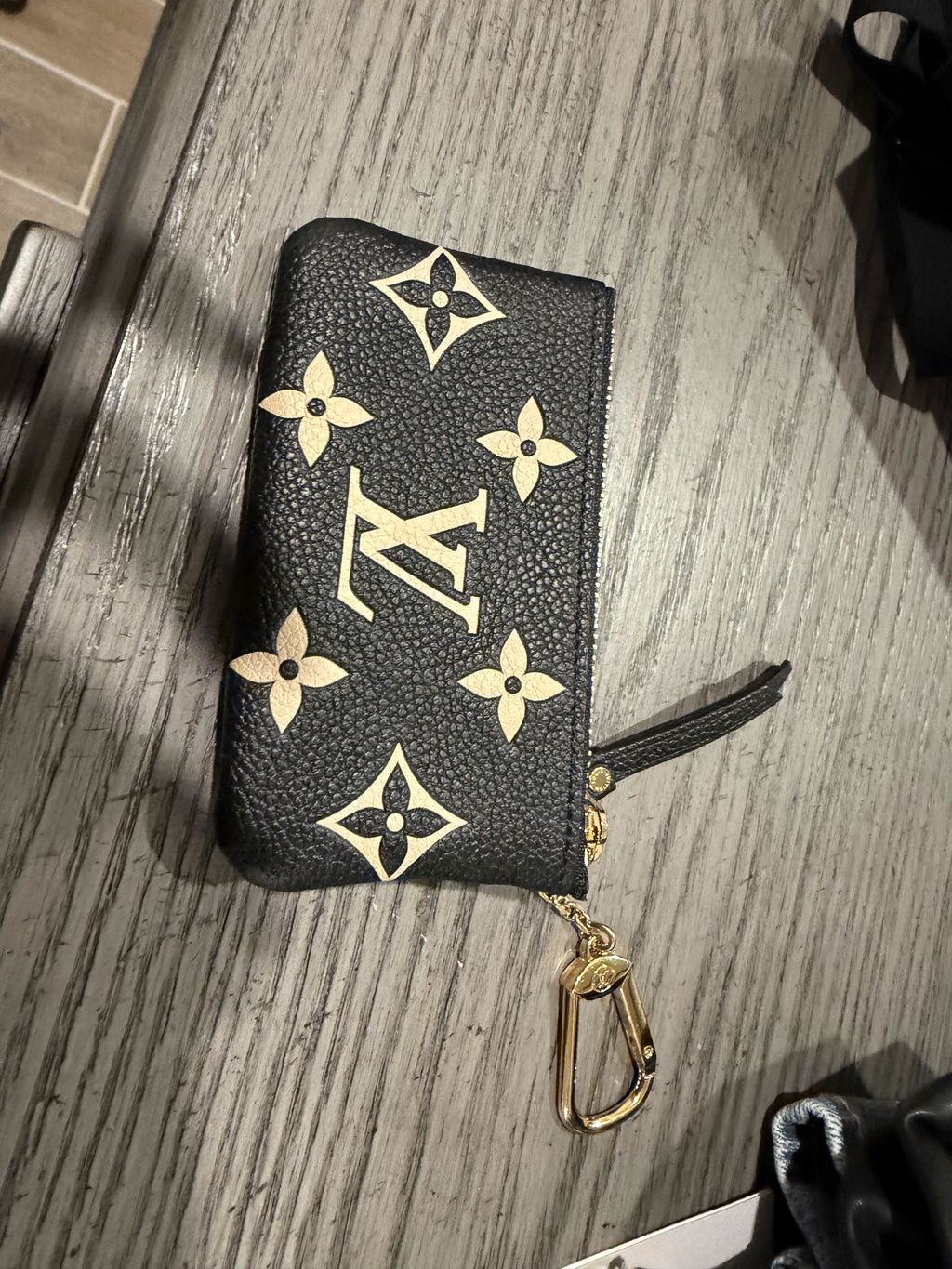
For example, coated canvas pieces from Louis Vuitton are engineered for durability and consistency. However, customers comparing older vintage pieces to modern ones sometimes notice differences in texture, sheen, or hardware weight.
In many cases, these differences are design or process evolutions — not necessarily downgrades — but long-time collectors may prefer the feel of older production eras.
4. Limited Editions vs. Staple Pieces
There is a noticeable distinction between:
-
Mass-produced staple bags
-
Limited edition or special collection pieces
Limited edition items often receive:
-
More detailed quality inspections
-
Unique materials or embellishments
-
Smaller production runs
-
Higher perceived exclusivity
Staple pieces, while still luxury goods, are produced in significantly higher volumes to meet consistent demand. With volume comes operational efficiency — and sometimes less perceived uniqueness.
It’s reasonable to assume that smaller production batches allow for more hands-on attention during manufacturing. When fewer units are being created, there is simply more opportunity for meticulous oversight.
5. The Psychology of Luxury Pricing
As prices continue to rise — particularly with brands like Chanel — consumer expectations rise with them.
When a handbag costs significantly more than it did a decade ago, buyers naturally expect noticeably superior craftsmanship. Even minor imperfections feel amplified at higher price points.
This creates a perception gap:
-
If quality remains the same but price increases, consumers may perceive decline.
-
If production increases but exclusivity decreases, the emotional value shifts.
Luxury has always been as much about perception and storytelling as it is about materials and stitching.
6. Are Vintage Bags Better?
Many collectors argue that vintage pieces feel sturdier, heavier, and more carefully constructed. There are a few possible reasons:
-
Smaller production volumes in earlier decades
-
Older hardware manufacturing standards
-
Less pressure for rapid global expansion
-
Different leather treatment techniques
However, it’s also important to acknowledge survivorship bias: we mainly see the well-preserved vintage bags still in circulation. The flawed pieces from decades past simply didn’t survive.
7. So, Has Quality Actually Declined?
The answer isn’t entirely black and white.
Luxury brands today are:
-
Larger
-
More global
-
More profitable
-
More industrialized
This shift inevitably changes production dynamics. While craftsmanship remains a marketing cornerstone, the reality of scaling a global luxury empire introduces operational compromises.
It’s less about a dramatic collapse in quality — and more about a transition from intimate artisan production to structured, high-end industrial manufacturing.
Final Thoughts
Luxury is evolving.
As demand continues to grow, brands must balance exclusivity, craftsmanship, profitability, and shareholder expectations. Limited editions and special releases may continue to receive heightened attention due to their smaller scale. Meanwhile, staple pieces will remain consistent, but may feel less “personal” than in decades past.
For buyers, the key is awareness:
-
Inspect pieces carefully.
-
Understand production eras.
-
Consider vintage if craftsmanship is your top priority.
-
Decide whether you value exclusivity, durability, or brand prestige most.
At the end of the day, luxury handbags are both functional items and cultural symbols. Whether quality has declined or simply evolved depends largely on perspective — and on what you value most in your collection.


0 comments